Two identical properties can get completely different results depending on how they’re advertised. One can fill within a week, whereas the other can remain empty for months. That means how you advertise your property, the photos, the description, the price, and where you list it, play a big part in how fast the property lets out and the quality of tenant it attracts.
For landlords, getting this right is one of the most valuable things you can do to protect your rental income and reduce void periods. However, many landlords underestimate what effective advertising actually involves, or make the same avoidable mistakes that keep properties on the market far longer than necessary.
In this guide, you will learn how to advertise your rental property and find quality tenants fast, covering how to prepare the property before listing, how to price it accurately, what a strong listing includes, where to advertise, and the most common mistakes that extend vacancy periods.
Why Effective Rental Property Advertising Matters
Most landlords know they need to advertise their rental property. But fewer understand that the quality of their advertising directly shapes the quality of tenants they attract. Here’s what effective advertising actually does for you.
- Reduces void periods: Every day your property remains empty costs you rental income. A professional listing with strong photos and a clear description generates more enquiries in the first few days than a poorly presented one does in weeks.
- Attracts quality tenants: Volume of enquiries means nothing if the applicants are not a good fit. A detailed, accurate listing sets expectations from the start and brings in tenants who are more likely to proceed and meet your criteria.
- Builds your reputation: A consistent, professional approach builds your reputation in the local rental market. Positive reviews and word-of-mouth referrals contribute to shorter void periods over time.
- Gives you market control: Strong advertising puts you in control of how your property is perceived. You decide how the property comes across and who it’s likely to appeal to, rather than just waiting to see who gets in touch.
- Justifies your asking rent: A well-presented listing makes your asking price easier to justify. When tenants can see exactly what they’re getting, they’re far more willing to pay the rate you’re asking for.
Key Steps to Advertise Your Rental Property and Attract Quality Tenants
How fast a property lets out usually comes down to a few things, i.e., the property itself, the price, the listing, and where it’s advertised. If you get these basics right, you put yourself ahead of most other listings before a single enquiry comes in.
The following steps cover everything you need to do before advertising your property.
Prepare Your Rental Property Before Advertising
Tenants make up their mind about a property long before they walk through the door, often based on nothing more than a few photos online. A property that looks well cared for in photos and at the viewing tends to attract more serious applicants, the kind of tenant you actually want.
Complete Maintenance and Repairs
Ensure you fix everything that is broken before you advertise. Leaking taps, damaged fixtures, damp patches, and faulty appliances all appear in photos and signal to prospective tenants that the property is poorly maintained.
In Scotland, you have a legal obligation to meet the Repairing Standard. This covers structural integrity, working plumbing and drainage, safe electrical installations, functional heating systems, and effective insulation. Addressing any repairs before advertising the property keeps you legally compliant and strengthens your listing.
A property that visibly meets the Repairing Standard is far more attractive to tenants than one with obvious issues left unresolved.
Clean and Declutter the Property
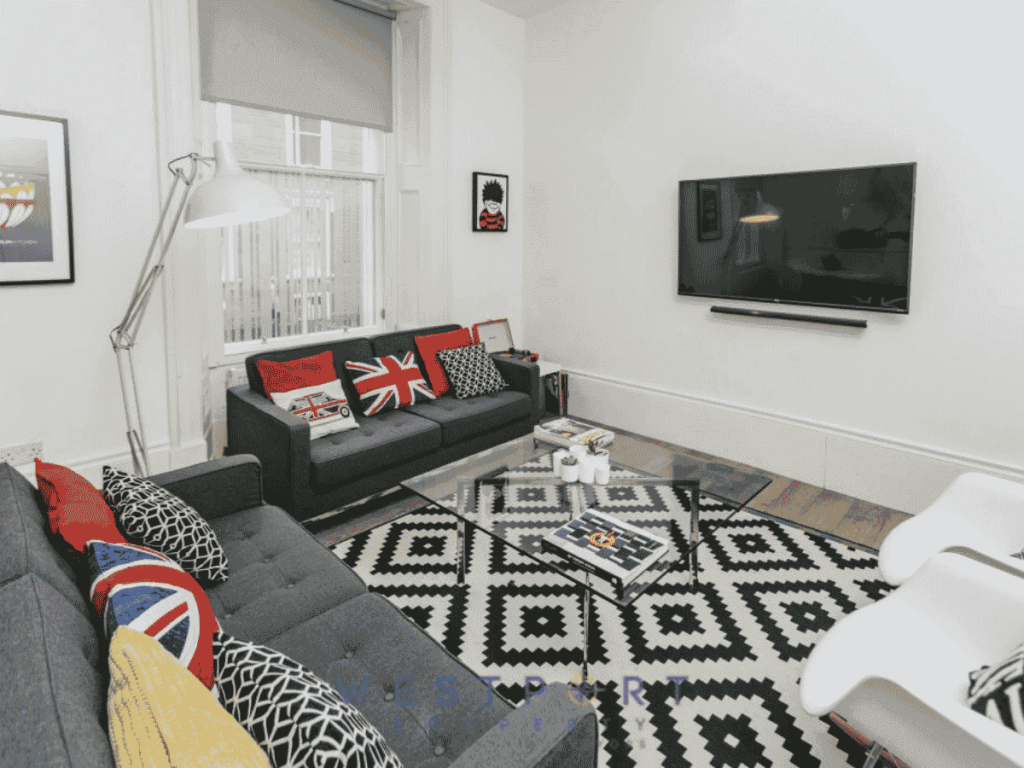
Cleaning the property transforms how the photographs look on listing sites. You should remove all unnecessary items, clear surfaces, and ensure every room is clean and tidy before photography takes place. Neutral, uncluttered spaces look larger in photos and give prospective tenants a clearer sense of the layout.
If the property is currently occupied, arrange a professional cleaning before photography. Tenants living in the property get used to their own clutter and may not notice what looks messy in photos. Doing the cleaning yourself, rather than relying on the tenant, usually gives you a better result.
Improve Kerb Appeal
The exterior of your property is the first thing prospective tenants see, both in listing photos and when they arrive for a viewing. Tidy the garden or front area, clean the windows, and touch up any worn exterior paintwork. A well-maintained exterior indicates that the rest of the property receives the same level of care.
In Scotland’s wetter climate, mossy paths, dirty render, and overgrown hedges are common and easy to overlook. Taking care of these details before capturing photos enhances the visible value of your listing
Set the Right Rental Price
Pricing your rental property correctly is one of the most important decisions you make before advertising. If you price it too high, you get fewer enquiries and a longer void period. And if you price it too low, you may lose rental income every month for as long as the tenancy runs.
Research Local Market Rates
Use property portals like Rightmove and Zoopla to search for similar properties in your area. Compare by size, location, condition, and included features. Speaking to a local letting agent gives you a more accurate picture of current demand and achievable rent in your specific area.
Rental demand and achievable rent may vary a lot by location, even within the same city. A two-bedroom flat in one neighbourhood can command a different rent from a similar property elsewhere in town. Understanding these local differences ensures your asking price reflects what tenants in that area are willing to pay.
Avoid Overpricing Your Rental Property
An overpriced rental stays on the market longer, accumulating days on portals, and attracts fewer viewings as a result. When you eventually reduce the price, tenants who already saw the listing at the higher rate may have written it off, and a price drop can make the property look like it’s been struggling to let. So, it is important to set a realistic price from day one.
A property priced accurately for the local market generates more enquiries in the first week and often achieves a longer, more stable tenancy. Tenants who feel they are paying a fair rent are more likely to renew and less likely to cause conflict.
Under Scotland’s Private Residential Tenancy framework, landlords can only increase rent once every 12 months and must give 3 months’ notice. Getting the initial price right avoids the need to test the market with an inflated figure.
Create a Rental Listing That Attracts Tenants
Your listing is where tenants get their first proper look at the property, what it’s like, what it costs, and what to expect if they apply. The better this is written, the more likely you are to hear from the right potential tenant.
Write a Clear and Compelling Property Description
Start with the most important details, such as property type, number of bedrooms, location, and key features. Follow with a brief description of each room, focusing on space, light, and anything that makes the property stand out. Keep sentences short and direct. Ensure you use specific, factual descriptions that are more persuasive and more useful to prospective tenants.
Include practical information such as whether the property is furnished or unfurnished, which bills are included, if any, the available move-in date, and whether the property is suitable for pets.
Highlight Features Tenants Care About
Think about what tenants in your area actively search for. In Scotland, tenants tend to care most about practical things like double glazing, gas central heating, a good EPC rating, good transport links, and being close to schools.
For student properties in cities like Dundee, fast broadband and proximity to the university campus are major priorities. For families, off-street parking and garden space carry significant weight.
Mention the features that matter to your target tenant directly in your listing. Do not assume they will understand these based on photos alone.
You may also like to read: What Do Tenants Look for in a Rental Property?
Use High-Quality Photos
Photos are often the first thing a tenant looks at, and photos decide whether someone clicks on your listing at all. Well-lit, high-resolution photos hold attention and give tenants a realistic, appealing view of the property.
Photograph every room, including bathrooms, hallways, and any outdoor space, using natural light where possible during the day.
Also, hiring a professional photographer is a good idea and one of the highest-return investments you can make when advertising a property. But if it is not within your budget, a modern smartphone in wide-angle mode works well too. Avoid cluttered angles, mirror reflections, and rooms with poor or artificial lighting. These details are immediately obvious and undermine an otherwise good listing.
Include a Floor Plan
A floor plan helps tenants understand the layout of the property before they visit, and makes it easier to see how the rooms connect and flow.
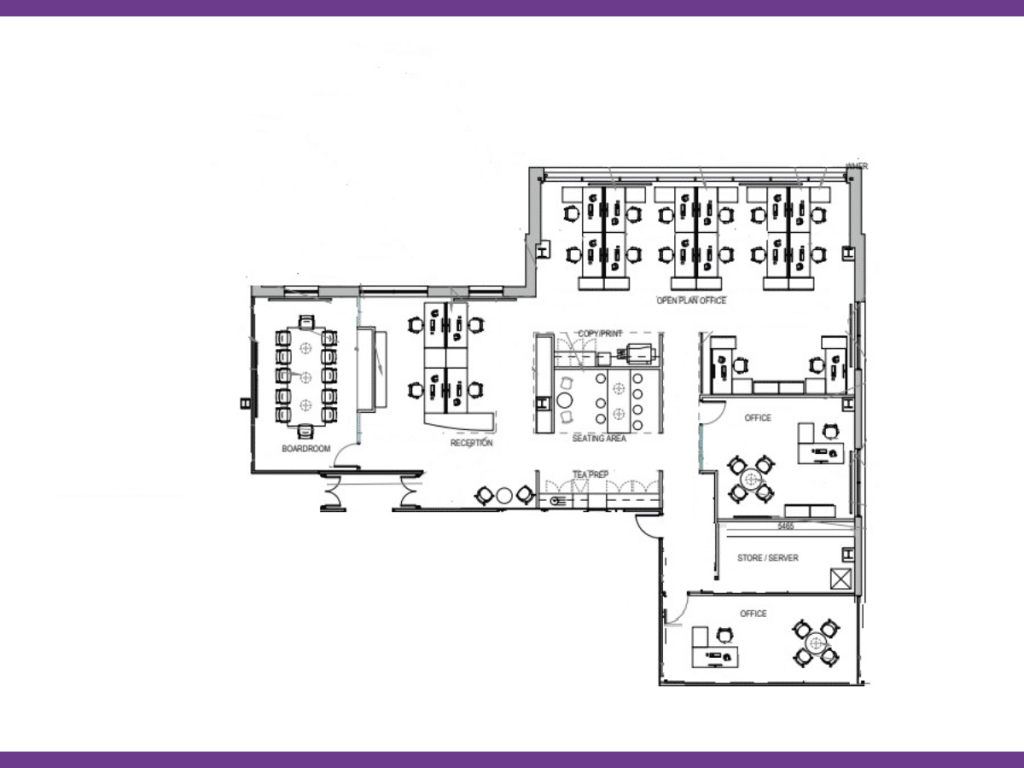
It reduces unnecessary viewings from tenants who are unsuitable for the size or configuration, and increases the quality of those who do book.
A floor plan is one of the most viewed features on a listing, second only to the main photographs. Listings that include one attract up to 30% more interest, and can see click-through rates increase by as much as 52%. Listing properties with floor plans consistently outperform those without.
Respond Quickly to Enquiries
Response time directly affects how many viewings you secure. Tenants searching for rental properties often send multiple enquiries simultaneously. If you respond slowly, they book viewings elsewhere before you reply.
Try to respond to every enquiry within a few hours, and at the very latest within the same working day. Set up notifications on your phone or email so you do not miss new messages during your advertising period.
Where to Advertise Your Rental Property
Where you advertise matters just as much as how you advertise it. The right platforms get your listing in front of tenants who are actually searching in your area, rather than relying on people stumbling across it.
Property Portals
Major property portals remain the most effective way to reach tenants actively searching for a place to live. Sites like Rightmove, Zoopla, and OnTheMarket attract high volumes of serious enquiries, simply because that is where most tenants start looking. Listing on more than one portal widens your reach without extra effort, since many letting agents publish to several portals at once as part of their service.
If you manage a room let or HMO (House in Multiple Occupation), platforms aimed specifically at shared accommodation, such as SpareRoom, tend to reach a more relevant audience than general portals.
Social Media Platforms
Facebook Marketplace has become one of the most active platforms for rental listings in Scotland. Local Facebook housing groups in Dundee, Perth, Arbroath, and surrounding areas attract large numbers of tenants searching for properties. Instagram can supplement your reach further, particularly if you work with a letting agent who maintains an active social presence.
Social media listings work best when paired with strong photos and a clear, direct description. A listing posted without photos, or with minimal detail, rarely generates meaningful enquiries.
Letting Agents
Working with a local letting agent gives you access to their existing database of prospective tenants, their portal accounts, and their experience in pricing and presenting rental properties. A good letting agent handles enquiries, arranges viewings, and carries out tenant referencing on your behalf.
In Scotland, letting agents must be registered with an approved professional body and comply with the Letting Agent Code of Practice under the Housing (Scotland) Act 2014. Choose an agent who is transparent about fees, fully registered, and has a strong track record in your local area.
Common Rental Advertising Mistakes to Avoid
Even small mistakes in how you advertise your property can add days or weeks to your void period and bring in lower-quality enquiries. These are the most common ones landlords make.
- Using Poor Quality Photos: Using blurry, dark, or cluttered photos stops tenants from clicking on your listing in the first place. Most people decide whether to enquire based on photos alone, before reading a word of the description. So, getting this right before anything else is important.
- Writing Vague Property Descriptions: When writing a description, be specific about room sizes, storage, floor level, and practical features. Tenants who enquire after reading a detailed description are more serious and better prepared.
- Overpricing the Property: An overpriced rental stays on the market longer, racking up days on portals, and attracts fewer viewings as a result. Research comparable properties before you set your price, and be honest about what your property offers right now.
- Delayed Responses to Enquiries: If you take a day or more to respond, the chances are a potential tenant has already booked a viewing elsewhere. Make checking and replying to enquiries a daily priority.
- Limiting Your Reach: Relying on a single platform narrows your pool of applicants. The more places your listing appears, the more tenants see it, and the faster you find the right fit. Spread your listing across portals, social media, and your letting agent’s network where possible.
- Leaving a Listing Live After the Property Is Let: Once a property is let, take the listing down everywhere it was posted. Tenants who message about a property that is no longer available waste their time, and yours, and it makes the landlord look disorganised. A quick five-minute task at the end of your advertising process keeps your listings and your reputation accurate.
Most of these mistakes are easy to avoid once you know to look out for them. A quick check against this list before and after you list your property can save you weeks of unnecessary vacancy.
Conclusion
Advertising a rental property well really just comes down to a few things done properly and consistently. Get the property presented well, the price right, the listing honest and detailed, and make sure it’s seen by the right tenant. None of this is complicated, but skipping any one of these steps is usually what separates a property that lets quickly from one that remains empty for weeks.
The landlords who get the best results are not necessarily spending more; they are just more thorough. A tidy property, a few extra photos, a floor plan, and a quick reply to enquiries all add up to a stronger pool of applicants and a faster let.
If you are a landlord in Dundee or the surrounding area and want help advertising your property, finding quality tenants, or managing the entire letting process, Westport Property is here to help. With over 13 years of experience in the local rental market in Dundee, our team knows what works and how to get your property let quickly. Get in touch with us today to find out more about our letting services.
Have A Question or Need Some Help?
Whether you're searching for the perfect rental property or a landlord wanting advice on letting, we're here to assist. Feel free to call our office or send us an email, and we'll be happy to help you with any queries you may have.
Frequently Asked Questions
Do you need an EPC before advertising your property?
Yes. In Scotland, you must have a valid Energy Performance Certificate (EPC) before you market a property for rent, and the EPC rating must be included in the advert itself. If your current EPC has expired or you do not have one, arrange this before your listing goes live, as portals will often ask for the EPC reference number when you create the listing.
How much does it cost to advertise a rental property?
This depends on where you list it. Major portals like Rightmove and Zoopla generally only accept listings from registered letting agents or paid advertiser accounts, so most private landlords access them by paying a letting agent's fee, which often includes advertising as part of a wider package. Platforms like Facebook Marketplace and local community groups are free to use. If you advertise through a letting agent, the advertising cost is usually bundled into their tenant-find or management fee rather than charged separately.
How far in advance should you start advertising a rental property?
If you know a tenancy is ending, you can start advertising as soon as you have given or received notice, even if the current tenant is still living there. Just be upfront in the listing about the earliest available move-in date. Advertising early gives you a head start on finding the next tenant and helps minimise any gap between tenancies.
Do you have to be a registered landlord to advertise a rental property in Scotland?
Yes. All private landlords in Scotland must be on the Scottish Landlord Register before advertising or letting a property. If you are not registered, you cannot legally market the property, and you could face a penalty. Registration is done through your local council and needs to be renewed periodically.
Can you specify tenant preferences in a rental advert?
You can describe the type of property and what it suits, such as a flat near a university being well suited to students, but you cannot state preferences that discriminate based on protected characteristics like age, sex, disability, race, or family status under the Equality Act 2010. Phrases like "no children" or "professionals only" can breach this, so keep adverts focused on the property itself rather than the type of person you want to live there.
Is it normal for a listing to get views but no enquiries?
Yes, and it usually points to a specific issue rather than a lack of interest. If your listing is getting clicks but no one is reaching out, check whether your price matches similar properties, whether your description answers the questions tenants are likely to have, and whether your contact details or enquiry form are working correctly.
 Find a Property Sale/Rent
  Property Management
  Tenant Background Screening
  Rent Collection
  Property Maintainance
  Property Inspection
  Property Advertising
  Portfolio Management For Landlords
  Investment & Asset Management